Valencia Club
1900 Valence StreetNew Orleans LA 70115
Valencia, a private social club for Uptown teenagers, presented some of New Orleans’ finest rhythm and blues artists in the 1950s and 60s.
Conceived of and funded by well-to-do local parents, it opened in 1948 as an exclusive country club where their teenage children could socialize while remaining under their supervision. At its peak in the 1960s, the club had 1,200 teen members.
The facility–a conspicuously modern building spanning more than 21,000 square feet–featured an Olympic-size swimming pool, pool tables, tennis and basketball courts, a short-order snack bar, movie showings and music every weekend, and big dances on major holidays.
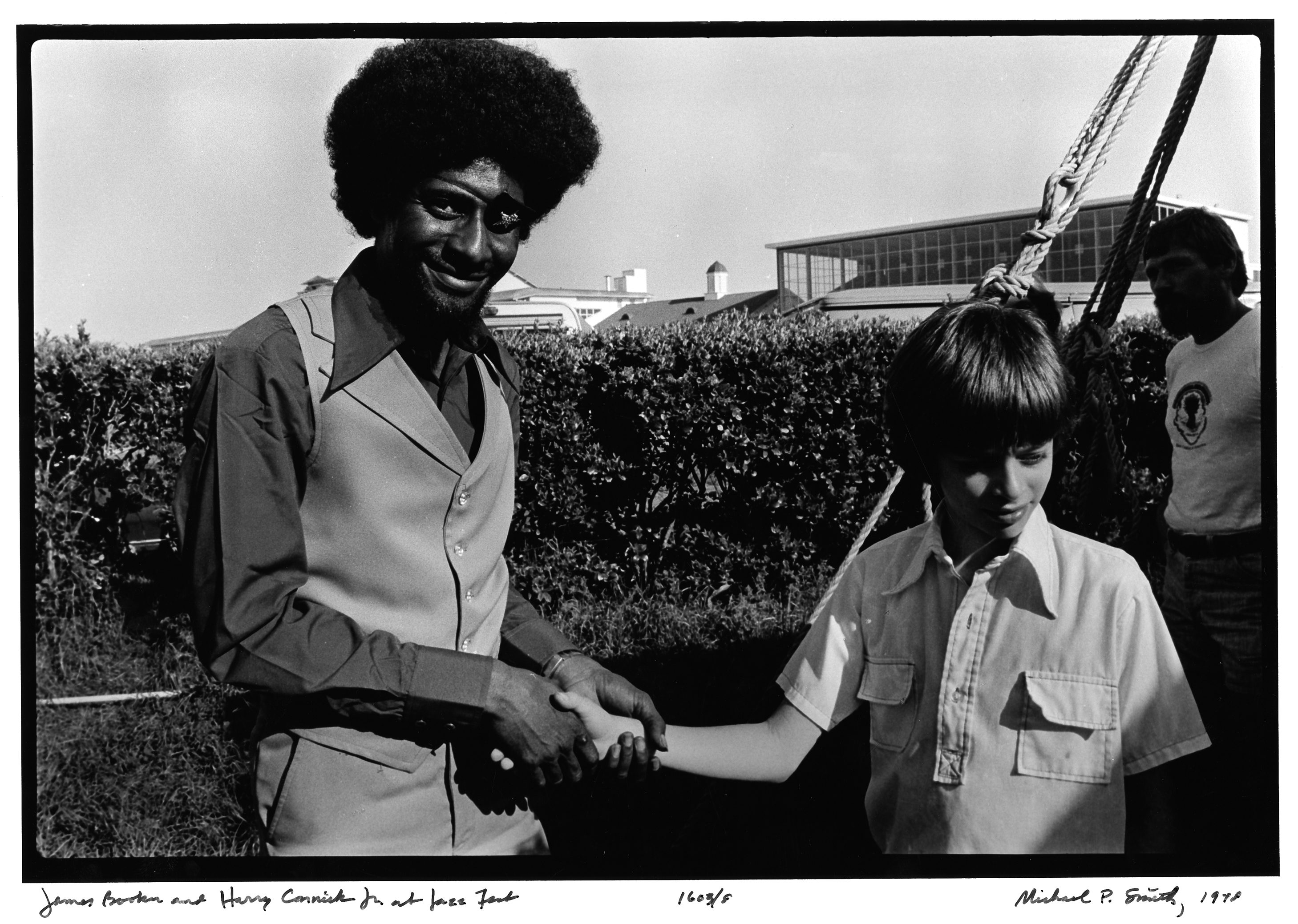
Live music was a big draw. Small combos featured Mac Rebennack, Ronnie Barron, Jerry Jumonville, Freddy Staehle, James Booker, Irving Bannister, and most of the Spiders.
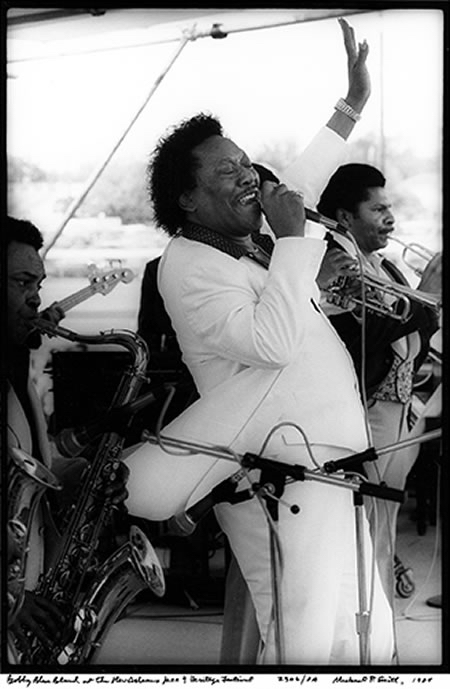
The big dances saw the likes of Ray Charles, Fats Domino, Bobby “Blue” Bland, Ernie K-Doe, Benny Spellman, Deacon John, Sugarboy Crawford and his Cane Cutters, Jessie Hill, and the Minit label’s whole roster.
The drummer Idris Muhammad recalled that the venue was integral to the development of the Hawketts, the R&B group fronted by Art (Arthur) Neville famous for its recording of “Mardi Gras Mambo”:
There is a private club for white members only on a little side street past St. Charles Avenue and right down the block from the Neville’s house … We began playing there a lot. The band is making $18 per gig for each band member and Arthur is probably making more than that as the leader. We began playing there quite a bit to get started. The Valencia Club is where the band got tight and we begin to roll.
Segregation was the law of the land at the time, though Valencia did more than merely acquiesce to prevailing racial attitudes: The club held an annual ball celebrating the Old South, complete with period dress and romantic representations of the Confederacy.
Ostensibly, Valencia was about keeping a close watch on the elite’s teenagers, but it wound up being a place to rendezvous for drinking excursions and mischief. On that front, it couldn’t compete with barrooms or cars. Attendance declined over the years, and Valencia closed in 1988. Several attempts to revive the club to its former glory have been unsuccessful.
Images