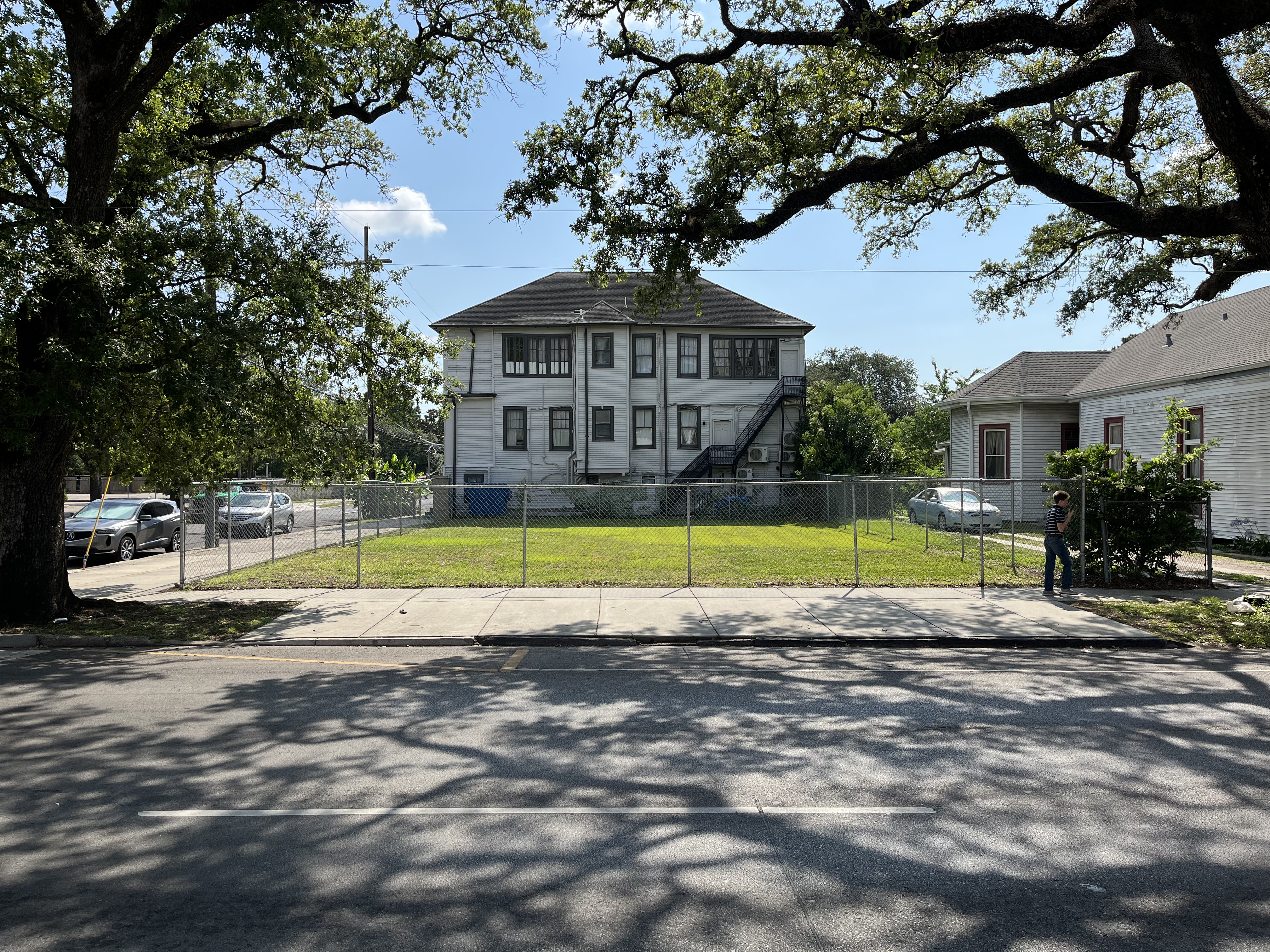
The Nite Cap was an Uptown nightclub that served as an incubator for the Meters and the Neville Brothers, two of the most important bands to come out of New Orleans in the last third of the 20th century.
The venue had many owners, names, and formats over its nearly 60-year run, and its location at the corner of Louisiana Avenue and Carondelet Street—close to the junction of multiple neighborhoods—added to the fluidity of its identity. From the late 1960s through the late 1970s, though, it solidified as a showplace for top-shelf live music, and a home away from home for a community of musicians hailing from the nearby 13th Ward.
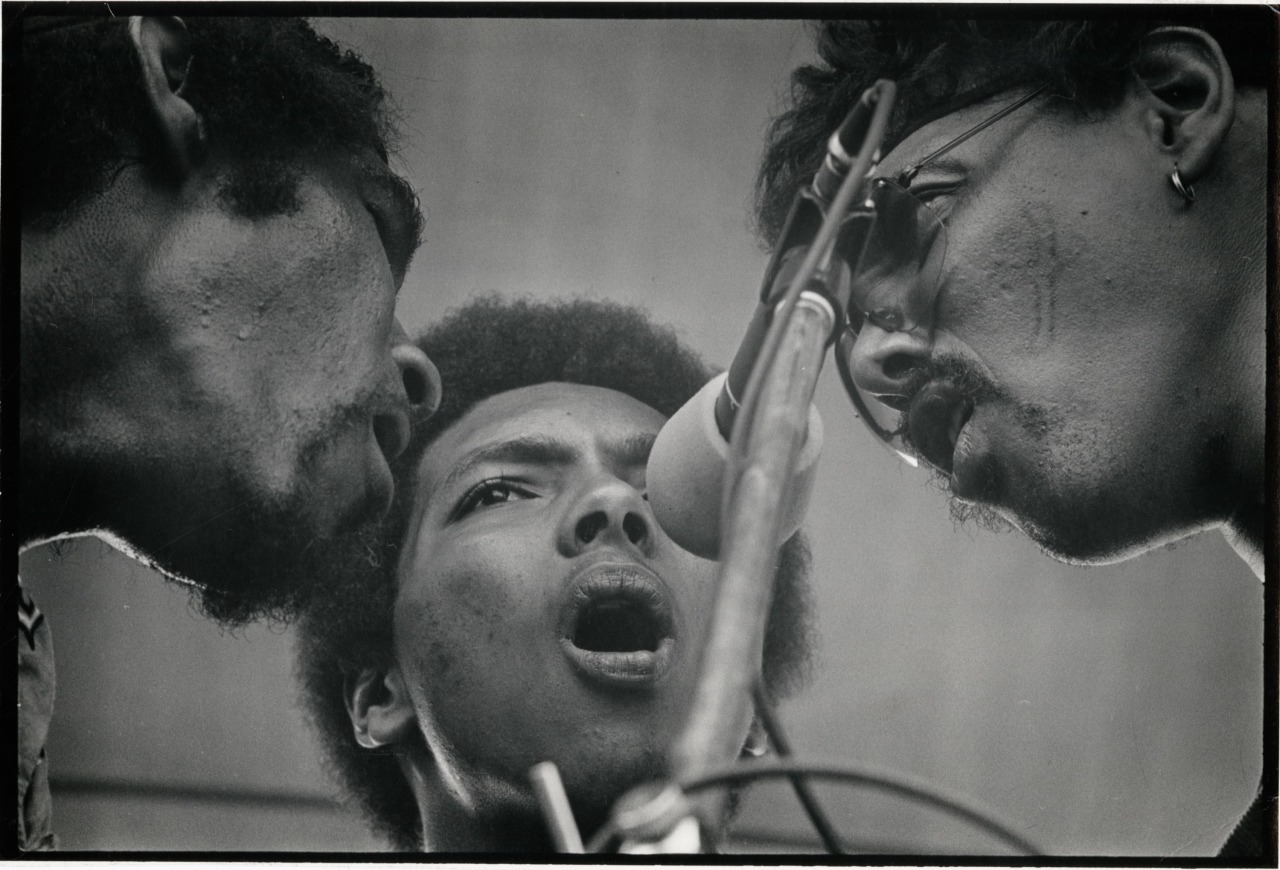
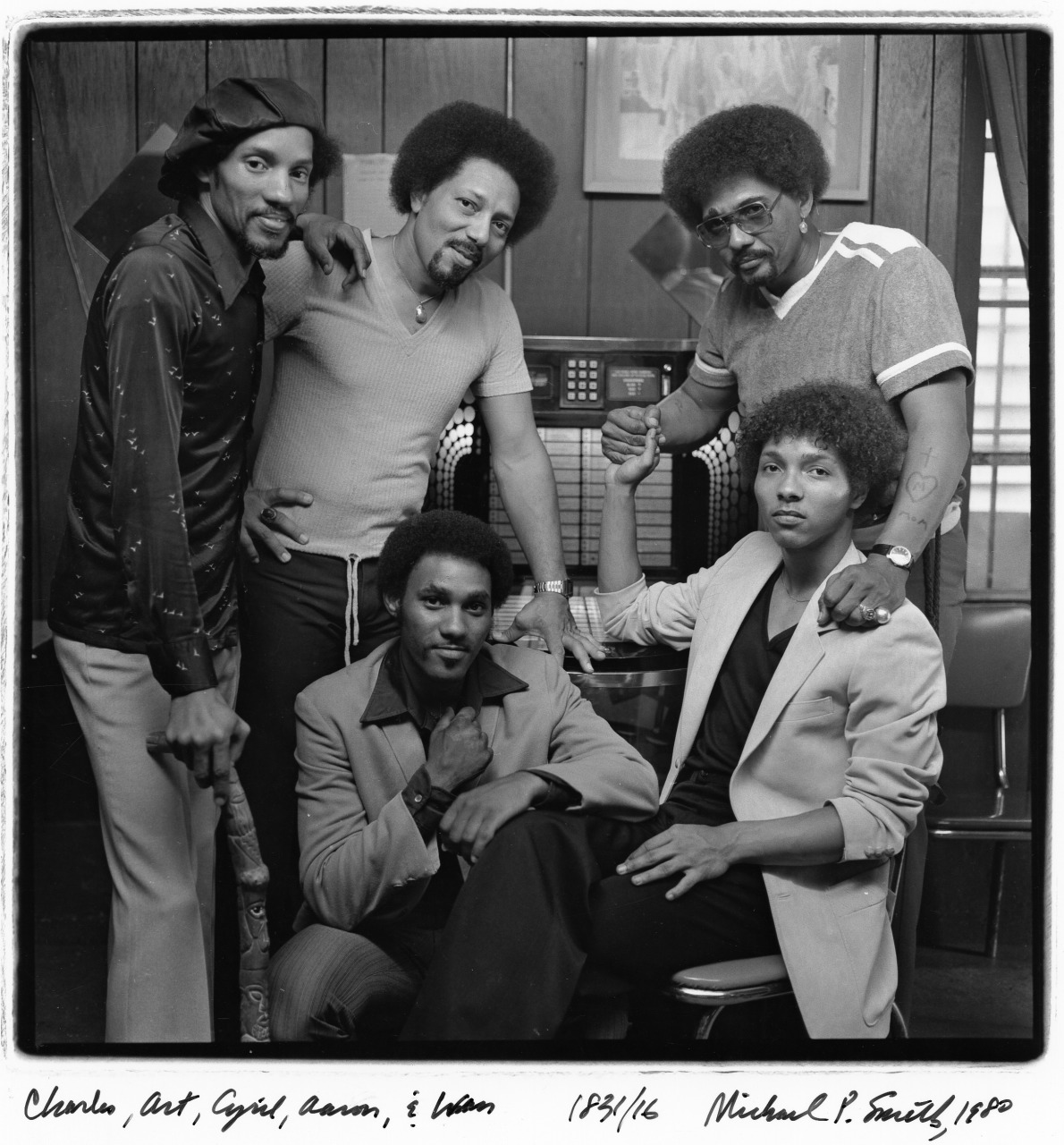
One of those musicians, Art Neville, had been well known locally since 1954 as the singer of the Hawketts’ “Mardi Gras Mambo” (recorded when he was still a student at Booker T. Washington High School). By 1967 he was ready for new energy, and “wanted my brothers up there with me” on the bandstand.
He pulled them into a new group at the Nite Cap, billed initially as “Art Neville and his Nite Cappers, starring Aaron ‘Tell Like It Is’ Neville and Cyril Neville” (Aaron had recently taken the single “Tell It Like It Is” to No. 2 on the Billboard charts as a solo artist). They soon became known as Art Neville and the Neville Sounds.
The Inception of the Meters
As Art would write in the group autobiography The Brothers Neville:
The front line was me and my brothers plus [saxophonist] Gary Brown. Then the rhythm section caught fire. Besides myself, I had three cats I knew from around town, all a generation younger than me. Drummer Joseph Modeliste—called Zig, or Zigaboo—was Cyril’s buddy from the ‘hood who’d hung around the Hawketts, learning whatever he could. He learned lots. George Porter Jr., Zig’s cousin, was originally playing guitar when I suggested he switch to bass. His funk feel came out better on bass. Leo Nocentelli came from downtown, and of all the wicked young guitarists around town, he was the wickedest. Meanwhile, I’d convinced the Nite Cap owner to pop for a Hammond B3 organ, meaning I could dip deep into my Bill Doggett and Booker T. bag. With George, Zig, and Leo prodding me on, with Gary blowing hard, with Cyril’s congas and bongos, and with Aaron’s sweet harmonies, the Neville Sounds were soaring.
Their shows at the Nite Cap were a sensation. As Cyril recalled, “I did splits, I did slides, I rolled over backward, I dove off the goddamn stage. I went nuts.” Aaron told A Closer Walk that Gary Brown did back flips while playing his horn.
While Cyril and Aaron hoped to keep the momentum going, Art, their older brother, chose to change course, for both financial and creative reasons:
It was spontaneous combustion, this thing between me, Leo, Zig, and George. There was so much funky feeling in that rhythm section, so many free-flowing ideas, that the hookup was inevitable. The catalyst was an offer I couldn’t refuse. The Ivanhoe, a Bourbon Street club in the Quarter, needed a small combo to perform on a small bandstand, and the owner made it clear—there wasn’t room for more than four musicians…Rhythm became everything.
Indeed, the Meters, as the quartet was known by 1969, became one of the greatest rhythm sections in American popular music. As Allen Toussaint’s go-to studio band and recording artists in their own right (they rehearsed their 1975 album Fire on the Bayou in the Nite Cap when it was closed during the day), the Meters became influential pioneers of funk music, and, later, among the most heavily sampled bands in hip hop.
The Inception of the Neville Brothers
Meanwhile, Aaron wrote, “We had a captive audience at the Nite Cap that we wanted to keep. Me and Cyril also wanted to keep Gary Brown, who was the blowingest motherfucker around. So with Sam Henry on piano, Bull Dog Bonnie on drums, and Richard Amos on bass, we started the Soul Machine.” The band played mostly covers, and, eventually, under Sam Henry’s leadership, instrumentals.
Around 1974 Cyril became an off-and-on member of the Meters, providing percussion and vocals. By 1976, interpersonal and business conflicts augured the end of that group’s original lineup, but Art and Cyril joined brothers Aaron and Charles in Sea Saint Studio to record the Wild Tchoupitoulas album with their uncle George Landry, known as Big Chief Jolly.
The Wild Tchoupitoulas project was the first to include the four Neville brothers. They performed together at Jazz Fest in April 1977, and in May, the States-Item reported, “Three generations of the most talented musical family in town are getting a new band together. They’re planning to make their debut at the Nite Cap Lounge in a couple of weeks. It’s a performance that’s likely to make musical history.”
In June, the Neville Brothers, as the new band was called, packed Tipitina’s, and later that summer held a residency at a theater in Dallas. Their debut album, The Neville Brothers, followed in 1978. In the 1980s, the group became standard bearers for New Orleans culture on the world stage, spun off successful projects fronted by Aaron and Cyril, and fostered a new generation of performers including Ivan Neville and Charmaine Neville.
Segregation-era history of the venue
The club that became the Nite Cap first opened in 1946 as “the modernistic, air-conditioned” Trocadero Cocktail Lounge featuring “the only sunken dance floor in the entire South.” Its entertainment reflected the tastes of its white-only clientele: bookings included “the one and only real imitator of Al Jolson,” who advertised with a cartoon character in blackface, and “that king of the Ukulele, Lemon Nash, supported by a tuneful fivesome.”
In 1950 the venue was made over as Melody Lane, billed as “’Uptown’s’ Only Dance Spot.” Ads touted a wall-sized mirror “sand-blasted with dancing figures which are beautifully colored by neon lights behind it.” The music diversified in 1952 with two key figures of the midcentury traditional jazz revival, which also catered to white audiences: Oscar “Papa” Celestin and Paul Barbarin (the latter performed his composition “Bourbon Street Parade” here years before releasing a recording of it in 1955).
Melody Lane eventually presented pioneers of rhythm and blues, as well. Paul Gayten, who helped establish New Orleans as a feeder of R&B talent for the record industry nationally, played Sunday matinees after pulling all-nighters at the Brass Rail. Dave Bartholomew held a residency here in July 1955, as “Ain’t That a Shame,” the hit he recorded with Fats Domino, competed with Pat Boone’s shameless cover version on the radio.
By 1957 the club had rebranded again, as had the music originally sold as rhythm and blues. Now called the Holiday House, the venue featured “A Teen-Agers Rock ‘n’ Roll treat every Sunday eve from 2 til 6.” Performers included Tommy Ridgley, New Orleans’ King of the Stroll, and Willie West, who went on to spend a few years singing with a later incarnation of the Meters.
The Boisdores
The racial succession of the club’s patrons followed an ownership change near the start of 1967, as desegregation made fitful progress across New Orleans and white residents moved en masse to neighboring suburbs. This migration was facilitated by a new expressway system, including the I-10 overpass that destroyed scores of Black-owned businesses on North Claiborne Avenue, including a lounge called the Nite Cap on the 1200 block.
The Nite Cap on North Claiborne had opened in 1953. After it was bulldozed to make way for an I-10 on-ramp, proprietors Elliott and Mayola Boisdore moved it Uptown to the recently vacated Holiday House. At its new location, the Nite Cap welcomed Black customers including players for the New Orleans Saints, the city’s new NFL expansion team.
The Louisiana Weekly marveled at the new space’s “wall-to-wall red carpeting” and elevated bars “trimmed with white French lace grillwork.” Willie Tee, who’d hit the Billboard charts with “Teasin’ You” two years earlier, headlined opening night, cheered on by celebrities including bandleader Lionel Hampton and the Harlem Globetrotters. The Louisiana Weekly enthused:
BOSS ACTION! THE Nite Cap Lounge, 1700 Louisiana Avenue is the new scene… Mere words do not permit us to extend to you the topflight of sophistication of a supper-club atmosphere…Eight waitresses, dressed in Greco-Italian garb, will be on hand to serve you.
Art Neville’s new band appeared a few months later.
(At the end of the year, the Boisdores also opened the misleadingly-named Original Nite Cap at 1300 St. Bernard Avenue. While it was not, in fact, the original Nite Cap, it served the same area as their first location on N. Claiborne.)
The Doucettes
Brothers Alfred, Roland, and Sterling Doucette took over from the Boisdores in 1971, and made the club one of the hottest in New Orleans in the 1970s—the kind of place Rod Stewart popped into when he wanted to see a show.
Roland, the talent buyer, went on the road singing backup for King Floyd after “Groove Me” took off, but continued booking a mix of top local acts and touring artists like David Ruffin at the club. The Soul Machine, with Sam Henry on organ, served as a house band.
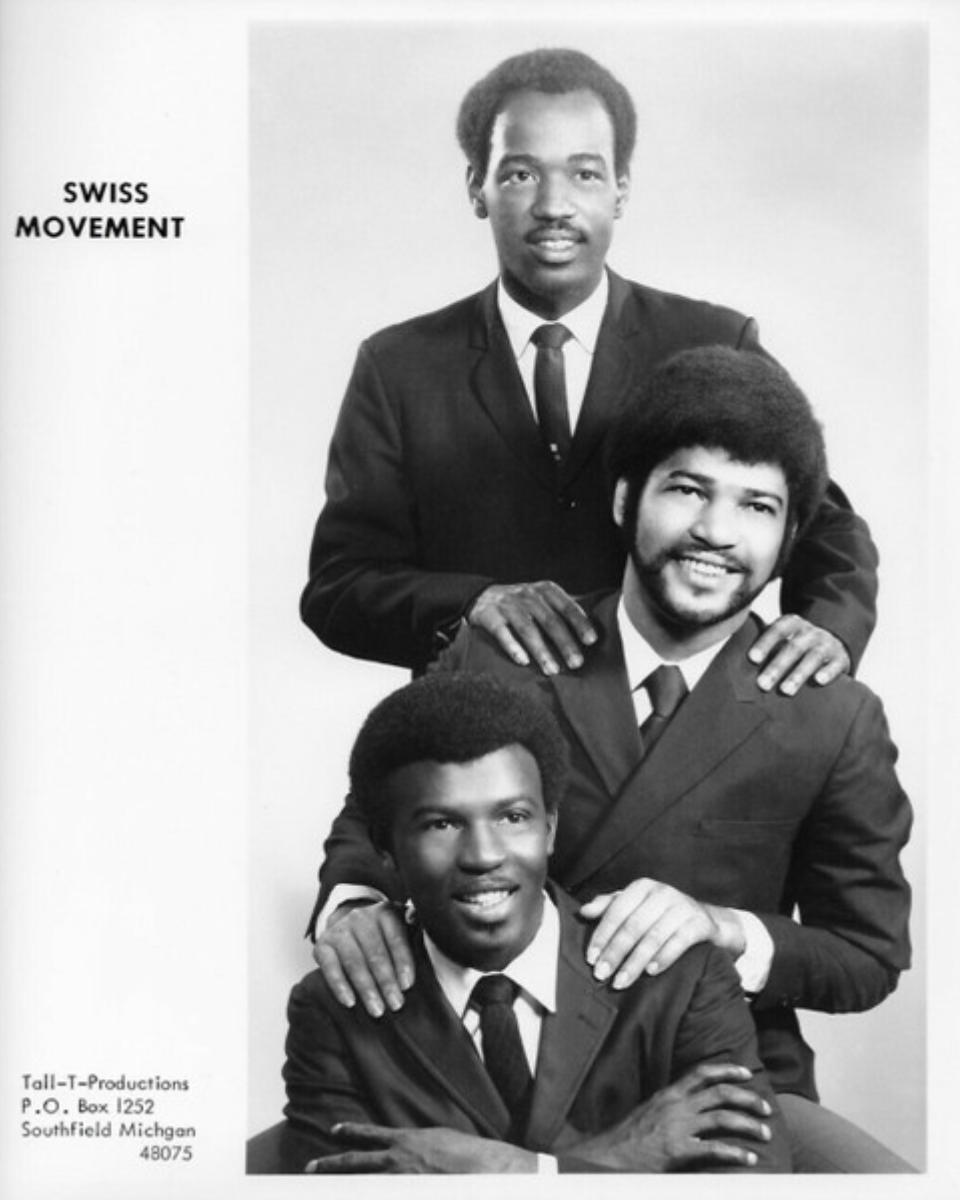
In addition to the Meters and the Nevilles, Nite Cap fixtures included “Deacon John” Moore during his psychedelic phase, when his Hendrix-inspired shredding had crowds spilling onto the Louisiana Avenue neutral ground (he also lived in the 13th Ward). Then there was The Swiss Movement, a local group in the Temptations mode that cut an LP for RCA Records after moving to Detroit.
Regular visitors included a preternaturally sophisticated mutt named Rusty, who used the urinal in the men’s room and escorted residents of the nearby Magnolia public housing development back to their apartments after shows, according to the Doucettes.
In 1976, Alfred opened a second, larger venue, the Nite Cap II at 3901 Washington Avenue (not to be confused with the Boisdores’ Original Nite Cap on St. Bernard). It hosted locals like singer Tony Owens and touring acts like Joe Tex and the Chi Lites. A few years later, with disco ascendant and live music slumping, Alfred, a master carpenter, converted the space into a roller rink.
By 1984 Alfred moved on from the nightclub business and delved into the Mardi Gras Indian tradition that had long been a fixture of the Doucettes’ Seventh Ward neighborhood. He went on to record an album as Big Chief Alfred Doucette.
After the Nite Cap
After the Doucettes’ departure, the club at Louisiana and Carondelet once again cycled through a number of names and managers. Chitlin Circuit favorites Bobby Bland and Tyrone Davis appeared in the 80s, as did local stalwarts James Rivers and Ernie Vincent.
In 1990, with a fresh pink and turquoise paint job, the room took a turn as Kilimanjaro, an African/Caribbean spot featuring local reggae bands as well as touring acts like The Mighty Sparrow. Bobby Marchan, the singer and veteran emcee of the Dew Drop Inn, also brought his late-night gong show here, with emerging talent competing for prizes (Marchan’s gong shows were vital to the emergence of hip-hop in New Orleans in the early 1990s).
In the second half of the 90s, as Flynn’s Den No. 2 Blues Club, the venue presented guitar heroes Irving Bannister and Snooks Eaglin, and a then up-and-coming Chris Thomas King.
By 2000 the club was hosting hip hop shows, including a Take Fo’ Records showcase. A hip hop night In 2001 ended when a gunman sprayed the crowd with rifle fire. Police accused rapper “Josephine Johnny” Watson of the attack, which injured two women, but prosecutors refused the charges against him.
After Hurricane Katrina, the club reopened as Jin Jean’s, offering a range of local draws, from trumpeter Kermit Ruffins to R&B singer Gina Brown. In 2006 it presented master arranger and producer Wardell Quezergue, whose band at the time included Sam Henry, former leader of the Nite Cap house band, the Soul Machine.
Live entertainment had wound down by 2014, when the building caught fire. The damage was beyond repair, and the lot has been vacant ever since.
Meanwhile, the Nite Cap name lives on at 1300 St. Bernard Avenue. After a renovation revealed decades-old signage from the Boisdores’ Original Nite Cap on the building, burlesque performer Bella Blue opened The Original Nite Cap Speakeasy on its second floor in 2024.
Videos
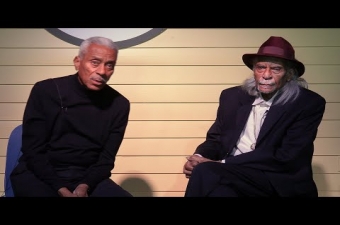
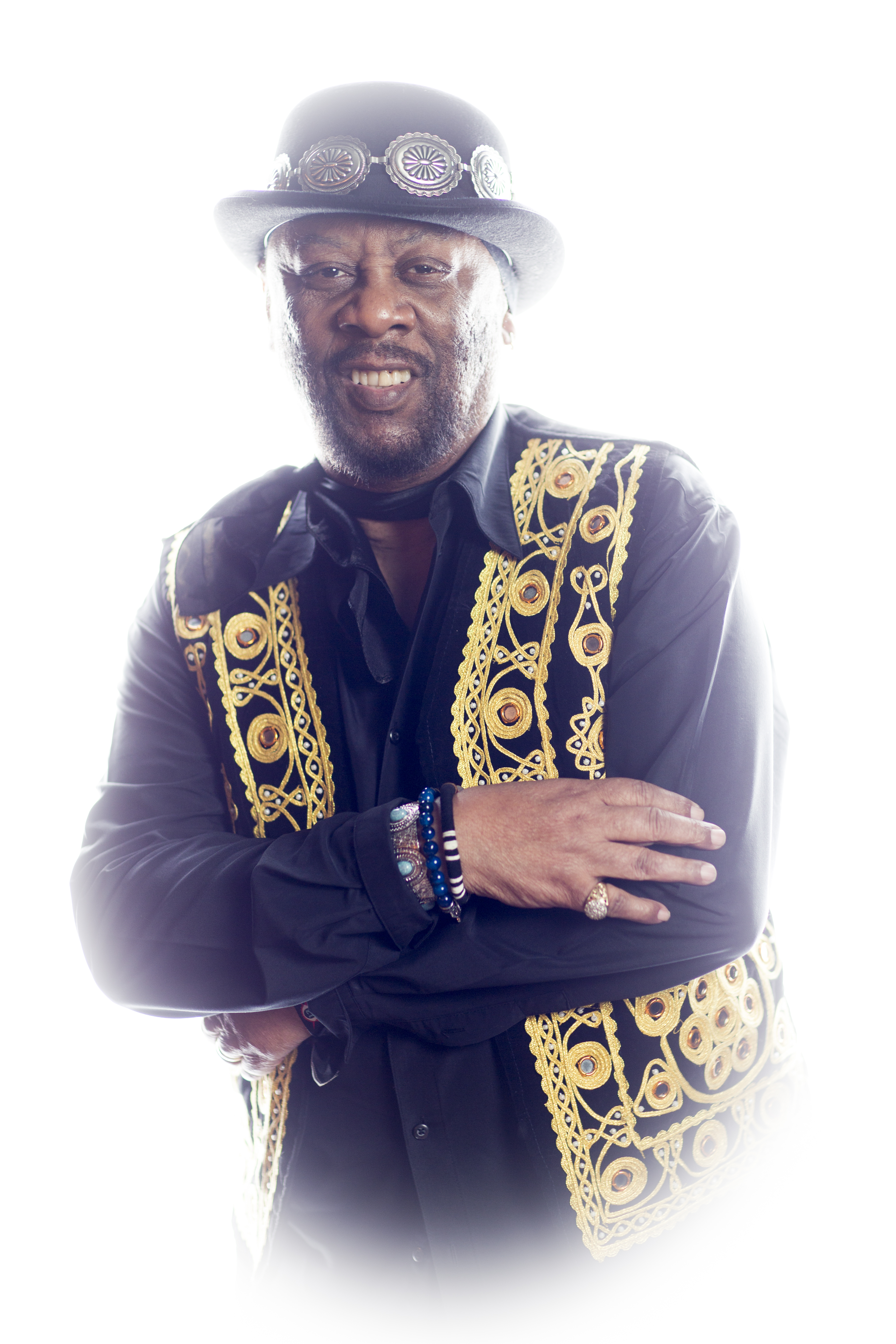
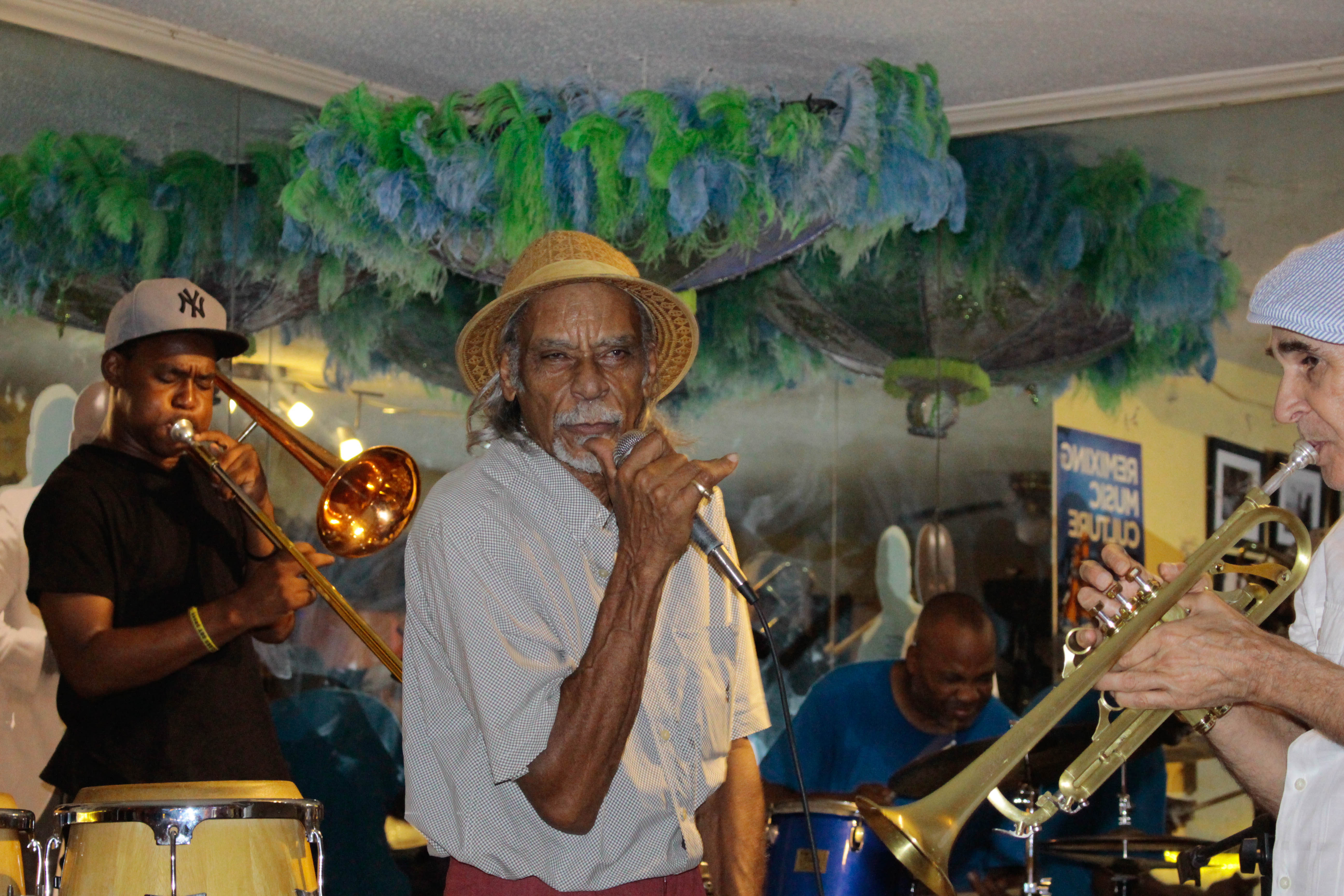
Roland and Big Chief Alfred Doucette discuss their history with the Nite Cap with Jordan Hirsch and David Kunian in 2025.
Video by WWOZ.
Roland and Big Chief Alfred Doucette discuss their history with the Nite Cap with Jordan Hirsch and David Kunian in 2025.
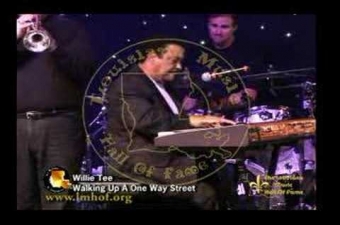
Clips of Willie Tee, a Nite Cap regular who headlined the club's opening night, performing "Teasin' You," "Walking Up A One Way Street," and "Thank You John" in 2007.
Video by the Louisiana Music Hall of Fame.
Clips of Willie Tee, a Nite Cap regular who headlined the club's opening night, performing "Teasin' You," "Walking Up A One Way Street," and "Thank You John" in 2007.
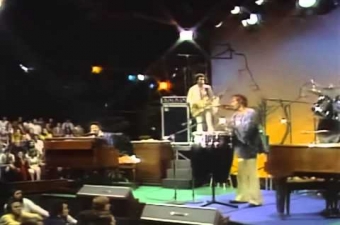
From 1974, The Meters perform "Look-Ka Py Py" and "Jungle Man," introduced by Dr. John.
Video posted by FunkensteinJr.
From 1974, The Meters perform "Look-Ka Py Py" and "Jungle Man," introduced by Dr. John.
Images