Humphrey Family Home
4525 S. LibertyNew Orleans LA 70115
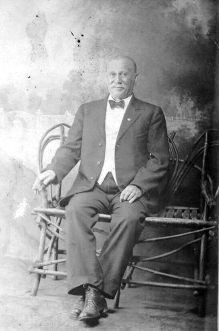
James Brown Humphrey (1859 – 1937), a music teacher whose work was foundational to the development of jazz, lived and taught in a house on this lot from the 1890s until his death in 1937.
Professor Humphrey’s legacy is incalculable, as his students infused the city’s brass band and dance band scenes as they forged a revolutionary new style of music.
His direct descendants alone have carried the torch of New Orleans music for five generations. These include the celebrated bandleaders Willie (1900 – 1994) and Percy Humphrey (1905 – 1995), whom he raised and taught here, and the trumpeter Umar Uthman Sharif (1927 – 1998), who was born here as Emery Thompson and lived here later in life.
A number of professor Humphrey’s students, including his grandsons Willie and Percy, became educators themselves, extending his influence even further.
While he taught across southeastern Louisiana and coastal Mississippi, the roots Humphrey set down in this part of the 13th Ward helped establish its cultural identity as it developed in the early 1900s.
James Brown Humphrey
Humphrey, the son of a white enslaver and a Creole woman of color, was born in 1859 on his father’s plantation about 25 miles up the Mississippi River from New Orleans. Slavery was abolished a few years later, though plantations continued to operate on both sides of the river, above and below the city, often exploiting Black sharecroppers for labor.
After becoming a popular bandleader in New Orleans in the 1880s, Humphrey pursued work as a music teacher on several of these plantations. Musicologist Thomas Brothers wrote that planters employed him to serve their own interests:
White patronage of amateur black bands during this period was commonplace. The practice was an extension of traditional southern paternalism designed to keep Negroes in their subservient place, the soft complement to Jim Crow laws and threat of vigilante violence.
Former Louisiana governor Henry Clay Warmoth was one of the many plantation owners who hired Humphrey. As a result, workers on Warmoth’s Magnolia sugar plantation in Plaquemines Parish formed a new brass band, the Eclipse. Fostered by Humphrey, groups like the Eclipse played mostly in rural communities, but picked up gigs in New Orleans on holidays and during Carnival, when the city’s demand for parade bands exceeded its supply (as remains the case nearly 150 years later).
Every Monday morning in this period, Humphrey took a train from New Orleans to outlying plantations. He could play just about any instrument himself, allowing him to cultivate whole bands: He drilled rhythm sections first, then added brass, woodwinds, and sometimes strings.
Humphrey was an imposing physical presence and a demanding teacher, but he got results. Historian Karl Koenig described an especially fruitful part of his process:
Professor Humphrey wrote syncopated rhythms as musical exercises and material for his students. These rhythms were characteristic of early jazz phrasing … This training developed in many early jazz musicians a concept of syncopated phrasing, something that did not appear in the music of the march or even constantly in early ragtime. But, when added to ragtime, this syncopated feeling was an early example of what we call ‘swinging’ a piece of music.
In the early 1900s, a wave of rural migration to New Orleans brought many musicians influenced by Humphrey to the local scene. These included trumpeter Chris Kelly, a former student from the Deer Range Plantation, and trombonist Kid Ory, who played in the Pickwick brass band, which Humphrey started around Reserve, Louisiana. Both became prominent early jazz bandleaders.
Many other rank-and-file musicians wove Humphrey’s lessons into the fabric of the city’s music community. Charles “Sonny” Henry, for example, learned the rudiments of the trombone under Humphrey at the Magnolia Plantation, then used his music reading skills to land a job with the Excelsior Brass Band in 1913. He went on to join John Robichaux’s band at the Lyric Theater in the 1920s, backing national vaudeville stars.
Author Richard H. Knowles writes that the urbanization of the 1910s shifted more of Humphrey’s teaching load to New Orleans, though the professor had always taught a bit in the city. One of his students in town, clarinetist John Casimir, passed along pointers to a young Louis Armstrong. The aspiring cornetist couldn’t afford lessons of his own, but eventually developed a relationship with Humphrey, and, after hitting the big time in New York, played for the professor at his Liberty Street home on return trips to New Orleans.
The Humphrey household
Professor Humphrey’s relentless teaching schedule, combined with income as a performer, brought in enough money for him to invest in real estate in the neighborhood—a remarkable feat for a self-made Black man at the dawn of Jim Crow. In the period around 1900, he bought dozens of lots clustered near the intersection of Napoleon Avenue and Freret Street. He used some land to grow figs, and sold other parcels to be developed.
Records suggest that Humphrey owned the house at 4523 S. Liberty, next door to his primary residence (the 1910 census found him there, while his business card—promoting “Music arranged to order” for everything “from a dog fight to a funeral”—put him at 4525 S. Liberty).
Humphrey’s wife, Ella, sang hymns and spirituals, and the family attended Trinity Methodist Church on Valence Street (the same church where a young Art Neville would fall in love with the Hammond B-3 organ, which he went on to play in The Meters).
Professor Humphrey’s son Willie E. Humphrey (Willie Sr.) played violin and clarinet, his daughter Bernice played cello, his daughter Lilly played bass, and his daughter Jamesetta, who had her father’s red hair, played bass and piano. The whole family played together at home on Sunday evenings, and at concerts around town. The professor and Lilly Humphrey also performed together in the Bloom Philharmonic, an Afro Creole orchestra (she later taught at Southern University).
Willie Sr. started learning the violin from his father at age five, and later taught himself the clarinet, with some additional guidance from Frank Lewis, the clarinetist in jazz progenitor Buddy Bolden’s band. After a mental breakdown ended Bolden’s career, Willie Sr. joined the second iteration of that group, the Eagle Band, and played at some of the premier venues in Storyville.
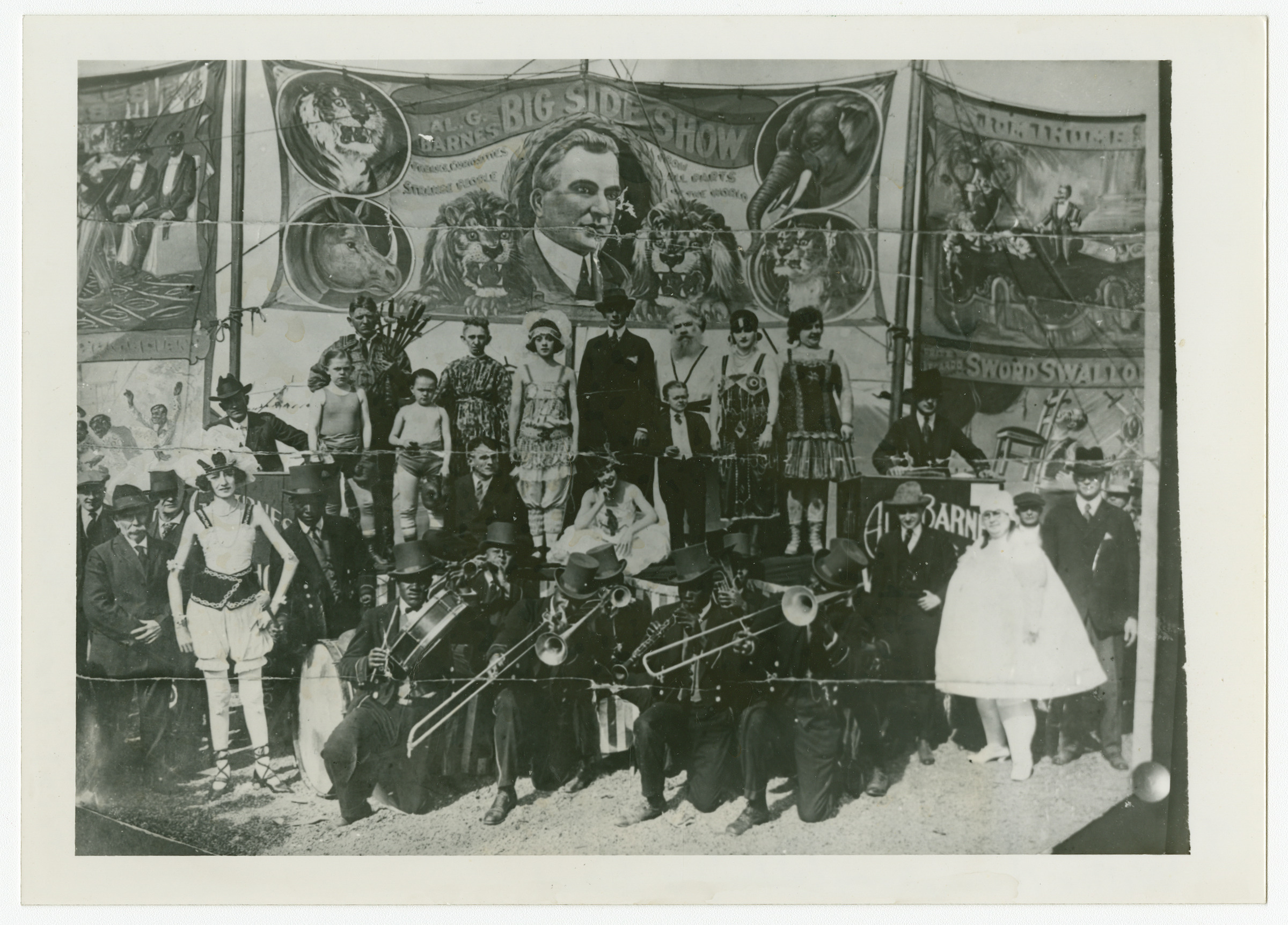
Sometime after Willie Sr.’s wife died in 1909, he ran off and joined the circus (literally—he went on tour with one that needed a clarinetist). He left his children—Willie J. Humphrey, Earl, and Percy—with his parents and spent years on the road, playing in circuses and minstrel shows, eventually finding steady work in California.
Meanwhile, the professor’s house on Liberty Street was jammed with instruments, and he assigned one to each of his grandchildren, though, like their father, each subsequently turned professional on a different one. Willie. Jr. found his way to the clarinet, Earl to the trombone, and Percy to the trumpet.
By the 1910s Humphrey family band rehearsals became a weekend attraction in the neighborhood, a diverse, working-class section of the 13th Ward. Black and white neighbors alike came by to hear three generations of Humphreys play together.
Wille J. Humphrey and Percy Humphrey
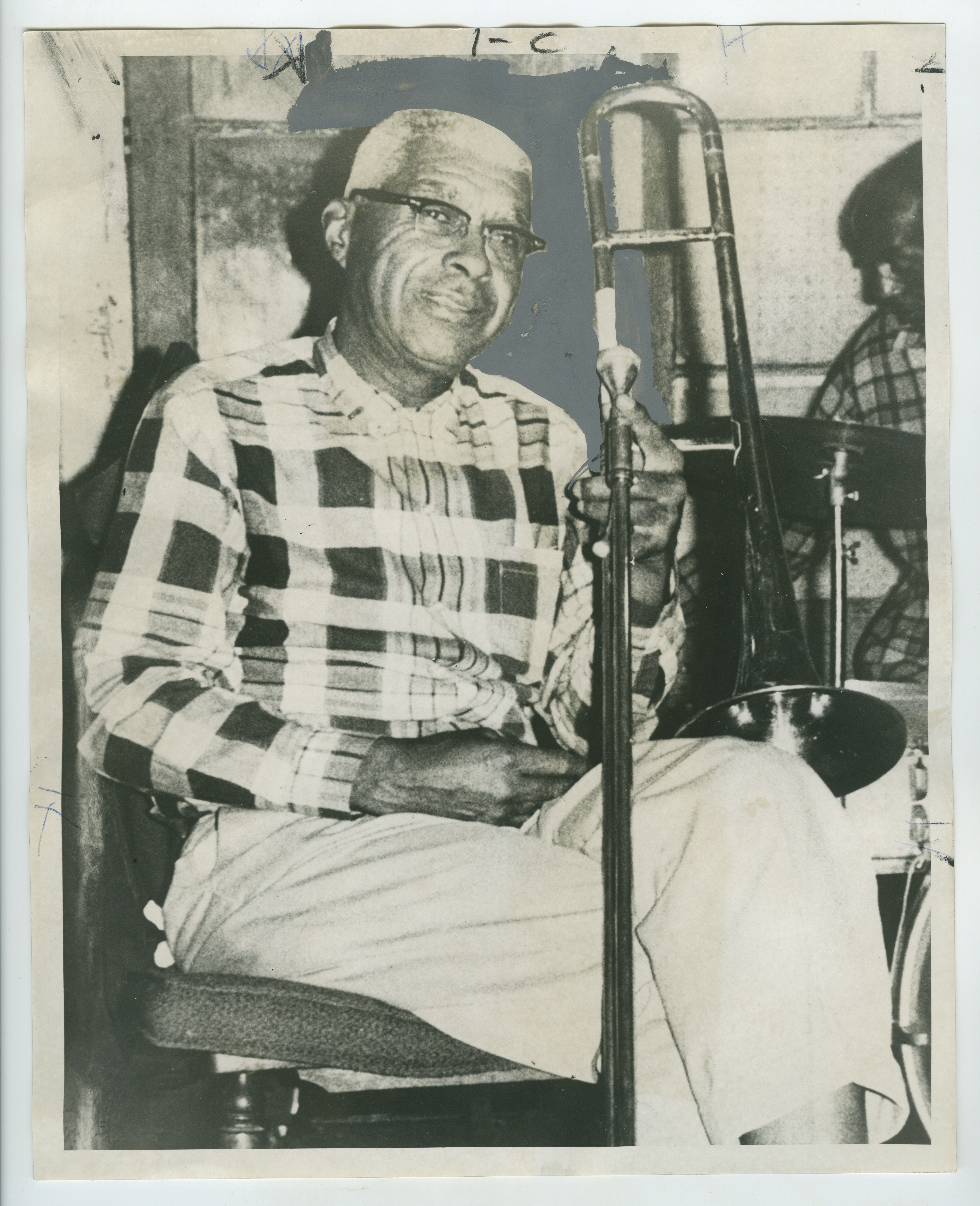
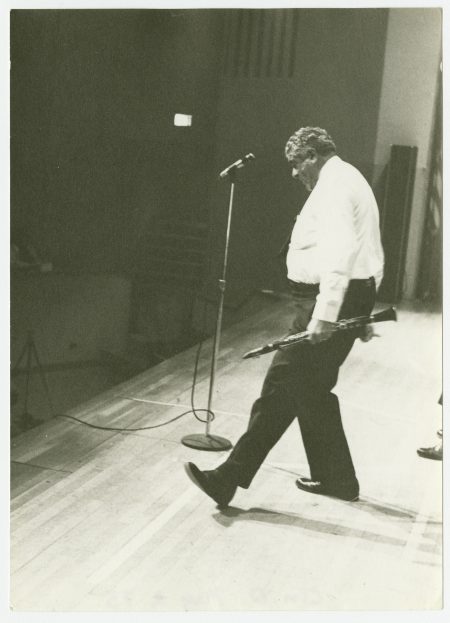
Today, the best-known members of the family are Willie Jr., commonly called Willie, and Percy Humphrey, whose careers spanned most of the 20th century and bandstands around the world. (Earl Humphrey, the middle brother, had the chops to play with some of New Orleans’ top bandleaders in the 1910s and 20s, but left town when gigs got scarce, and was away from the music scene for decades.)
When Willie was still “a kid,” he led a 22-piece orchestra at New Orleans University, a forerunner of Dillard University then in the 13th Ward, where professor Humphrey taught on Saturdays.
As a teenager, Willie played in the city alongside the leading lights of jazz, like cornet “kings” Freddie Keppard and Joe Oliver. He worked with latter outside of New Orleans, too, fortified by a shoebox full of food packed by his grandmother, Ella. In 1919 he played with Oliver at the notorious 1919 World Series, which eight members of the Chicago White Sox were later indicted for losing intentionally as part of a gambling racket.
In the 1920s, Willie played with other important New Orleans bandleaders, including Frankie Dusen and Kid Rena. He was in Manuel Perez’ band at the Pythian Temple Roof Garden, and joined Fate Marable’s group on Mississippi riverboats.
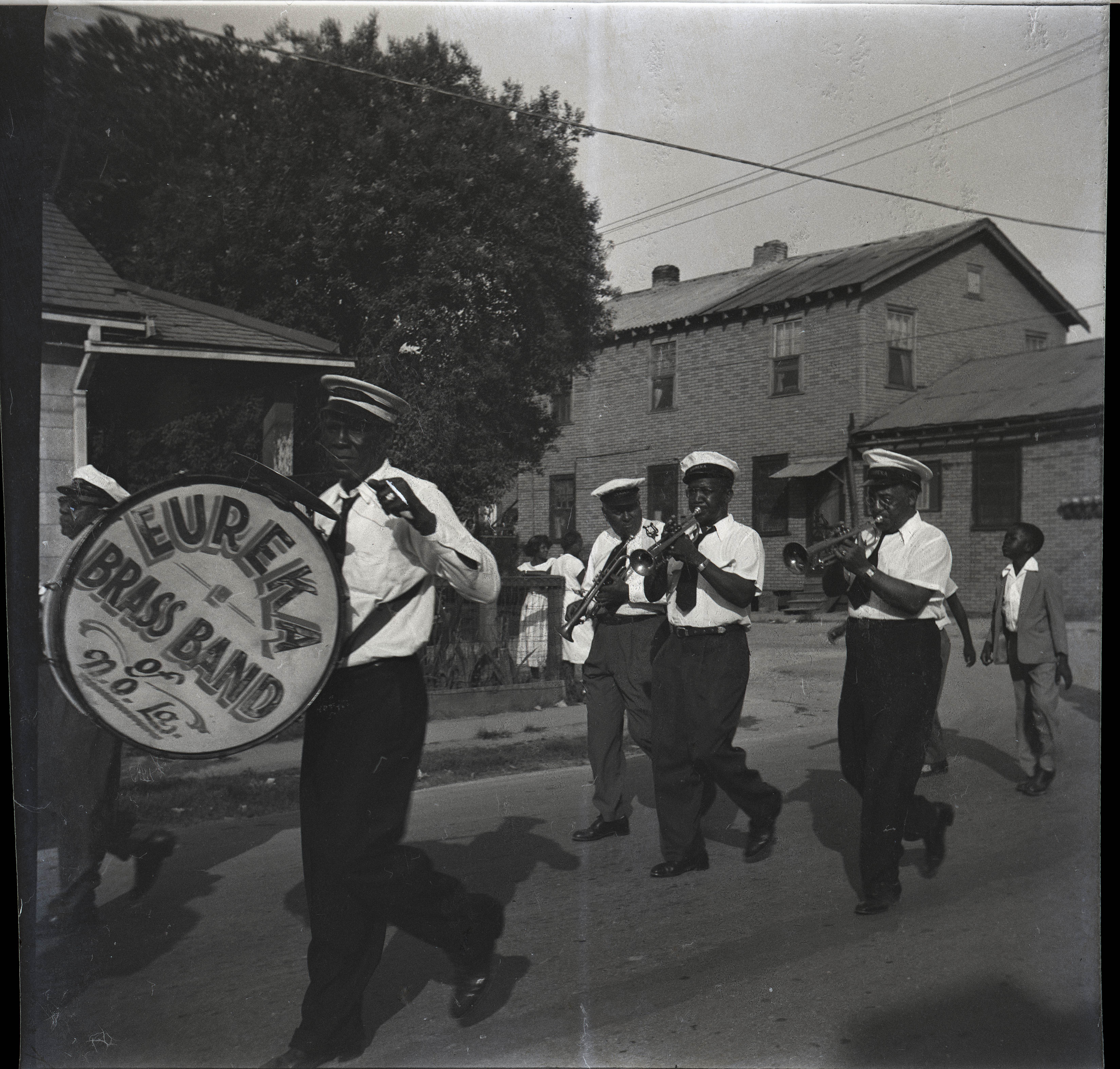
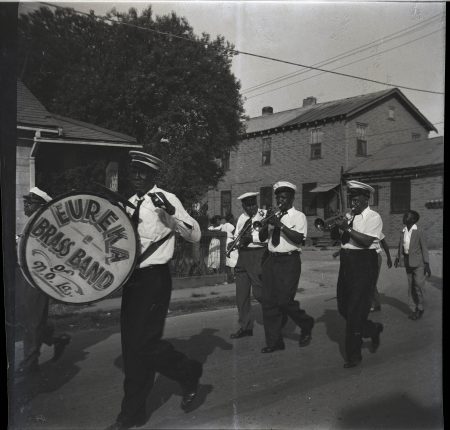
By this time, his younger brother Percy was gigging at the Alamo Theater, and playing with several dance bands and brass bands, such as the Eureka. According to Knowles, Percy began leading his own dance combo around 1925.
In the 1930s, as popular tastes shifted away from New Orleans style jazz and gigs dried up, Willie and Percy managed to continue performing, for a time together with Willie Sr., who’d come back to town and joined the Lyric Theater house band. The brothers scraped through the Great Depression: Willie drove a coal truck and joined the band assembled by the federal Works Progress Administration. Percy picked up a day job as an insurance agent.
When World War II came, Willie Jr. played in a navy band (Clyde Kerr, Sr., another of New Orleans’ legendary music teachers, served with him). According to author William Carter, Percy “unloaded boxcars for the war effort by day while playing jobs at night.”
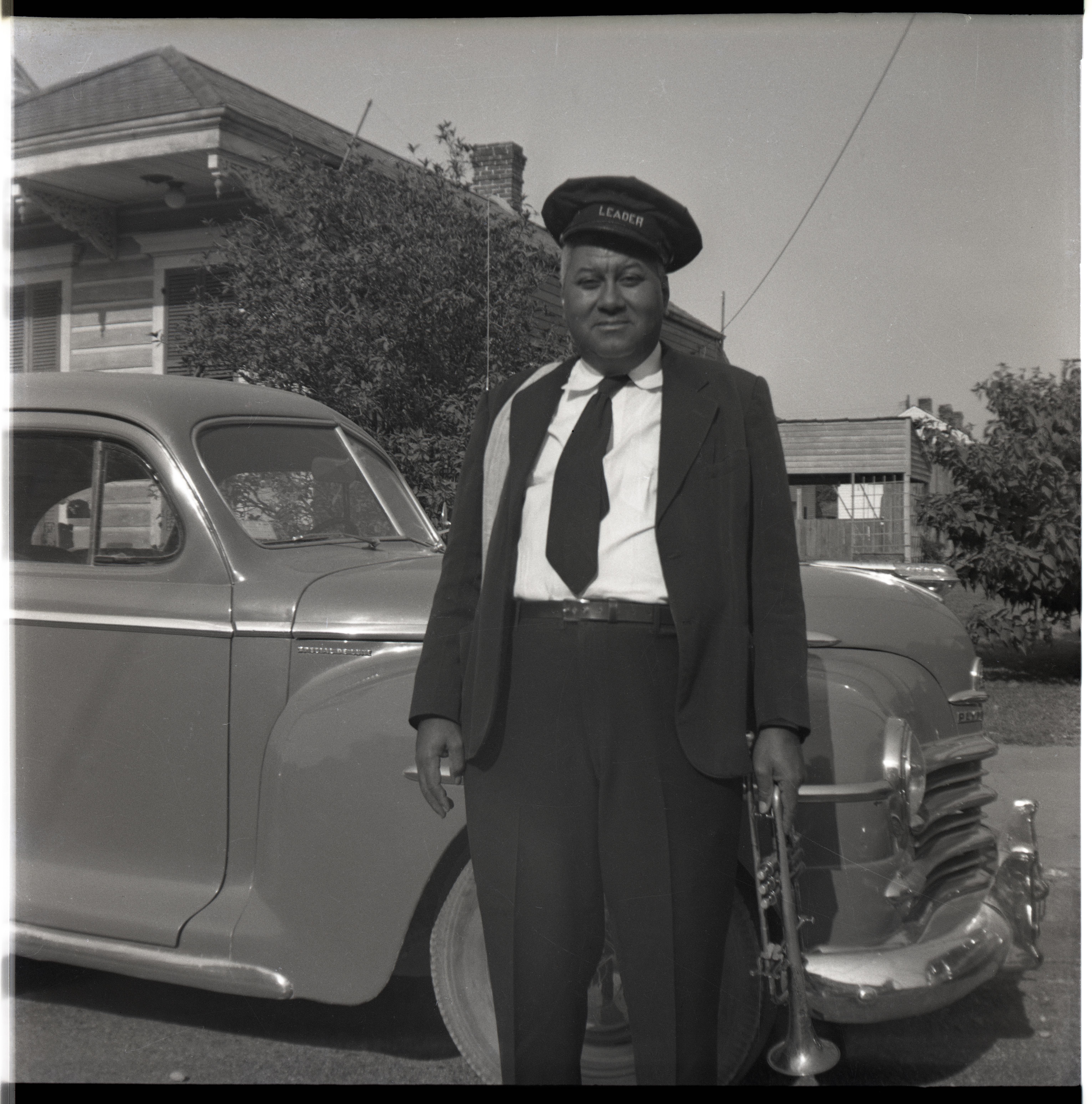
After the war, Percy became the leader of the Eureka Brass Band, which Danny Barker remembered as “one of the best New Orleans brass bands playing strict to the tradition.” Percy allowed for some modest updates, integrating the saxophone and, as Knowles writes, playing an inventive lead trumpet. Percy told Carter that the Eureka catered its stylistic approach to the occasion:
I played them funerals for a dollar, them parades four or five hours a day … We used to wear white duck pants and white shirt, and I tell you we weren’t getting enough out of it to pay your laundry bill … but we loved it. Didn’t know what it was to say no … If it were a strict church member and being buried by a society, we’d play The Saints and keep it straight as possible. Not too much jazz, just hymns we’d play or marches or whatnot. Now if it was what we call a “rounder” or corner bum or something like that, well, we’d turn loose everything we had. But the band stayed in key, and they stayed in harmony with what they were doing.
Traditional jazz revival
By midcentury, a revival of traditional jazz among white audiences created new opportunities for the Humphreys in New Orleans and elsewhere. As veteran bandleaders with a lineage going back to the form’s inception, Willie and Percy became two of the movement’s most prominent figures.
In the 1950s, Percy cut records with the Eureka and with George Lewis’ band. Willie, who also played with the Eureka, toured with Paul Barbarin and recorded with “Sweet Emma” Barrett.
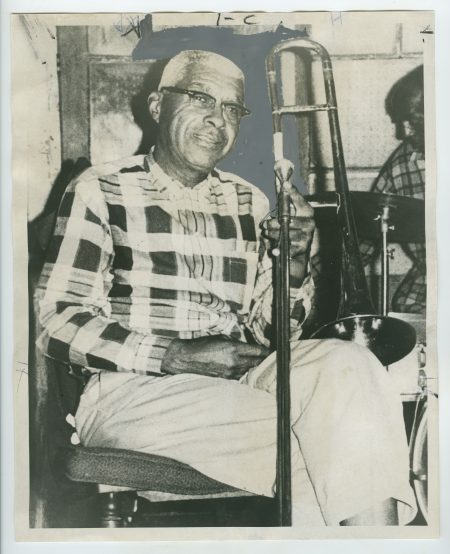
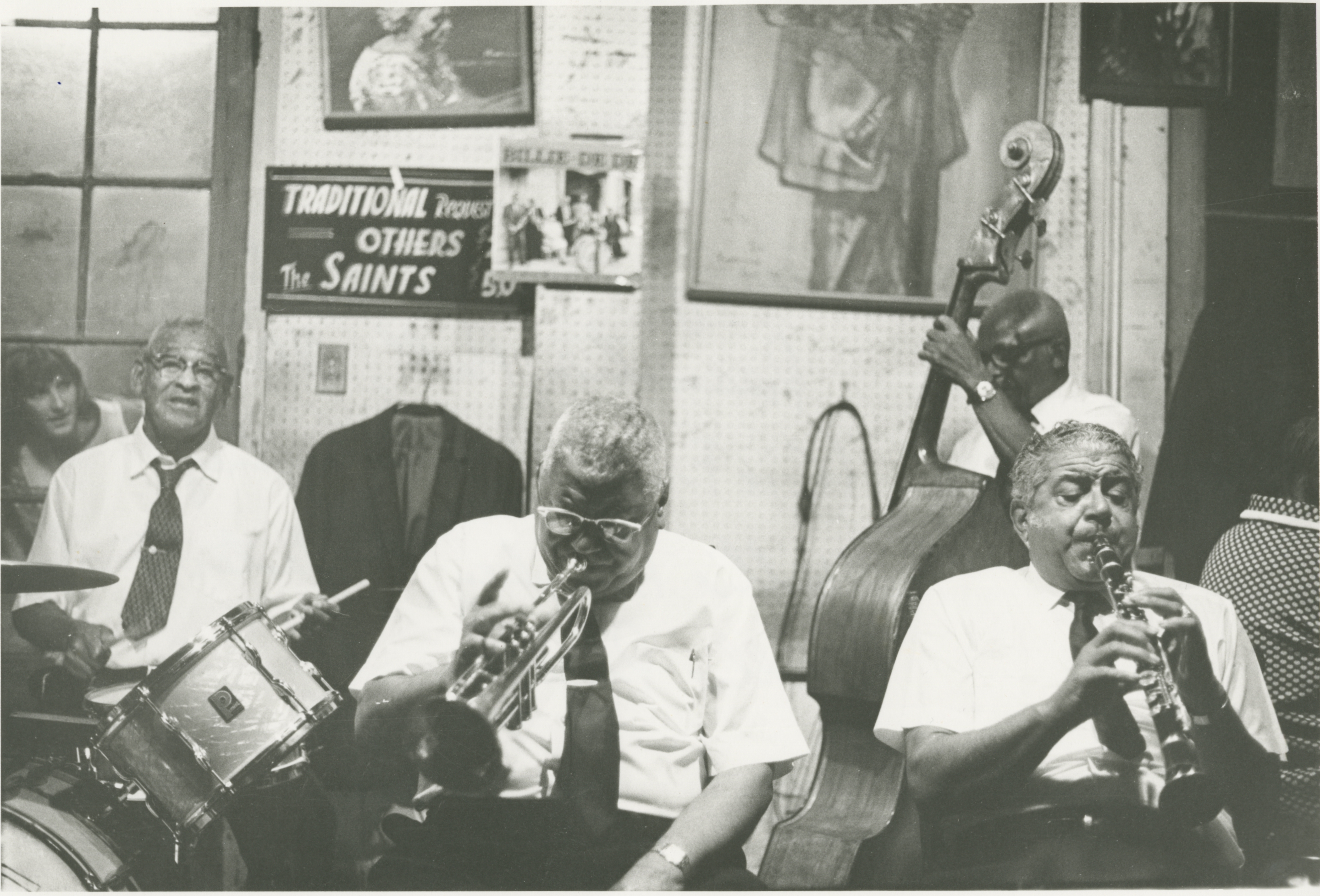
In the 1960s, the Humphreys reached a new level of mainstream success with the Preservation Hall Jazz Band. (Their brother Earl also moved back to New Orleans in this period, and gigged occasionally at Preservation Hall in the French Quarter.) Willie and Percy became co-leaders of the Hall’s touring band, playing concerts and making media appearances worldwide. Percy was in the leader’s chair when Woody Allen hired the band to record the soundtrack for his 1973 movie “Sleeper.” The brothers also recorded extensively with the Hall band across three decades.
In addition to their work with Preservation Hall, Willie and Percy both followed in their grandfather’s footsteps by teaching at the Grunewald School of Music, an important training ground for some of the city’s top talent in the postwar era. Willie also gave private lessons—clarinetist Joe Torregano, who became a notable music teacher himself, recalled working on technique with him.
The brothers were also a memorable presence in the 13th Ward. Researcher Coleman Warner quoted the proprietor of a Freret Street hardware store who recalled them enlivening the neighborhood on Mardi Gras (though he may have misspoken about Percy playing the trombone instead of the trumpet):
Willie would play his clarinet and Percy would have his trombone. They would come out with derby hats or something and they would walk all around…playing music you know, stop on the corner and play. People would dance in the street, and then they would move over to another corner. They just had a good time, playing and walking around the neighborhood. [Willie] used to come in the store sometimes and play his clarinet.
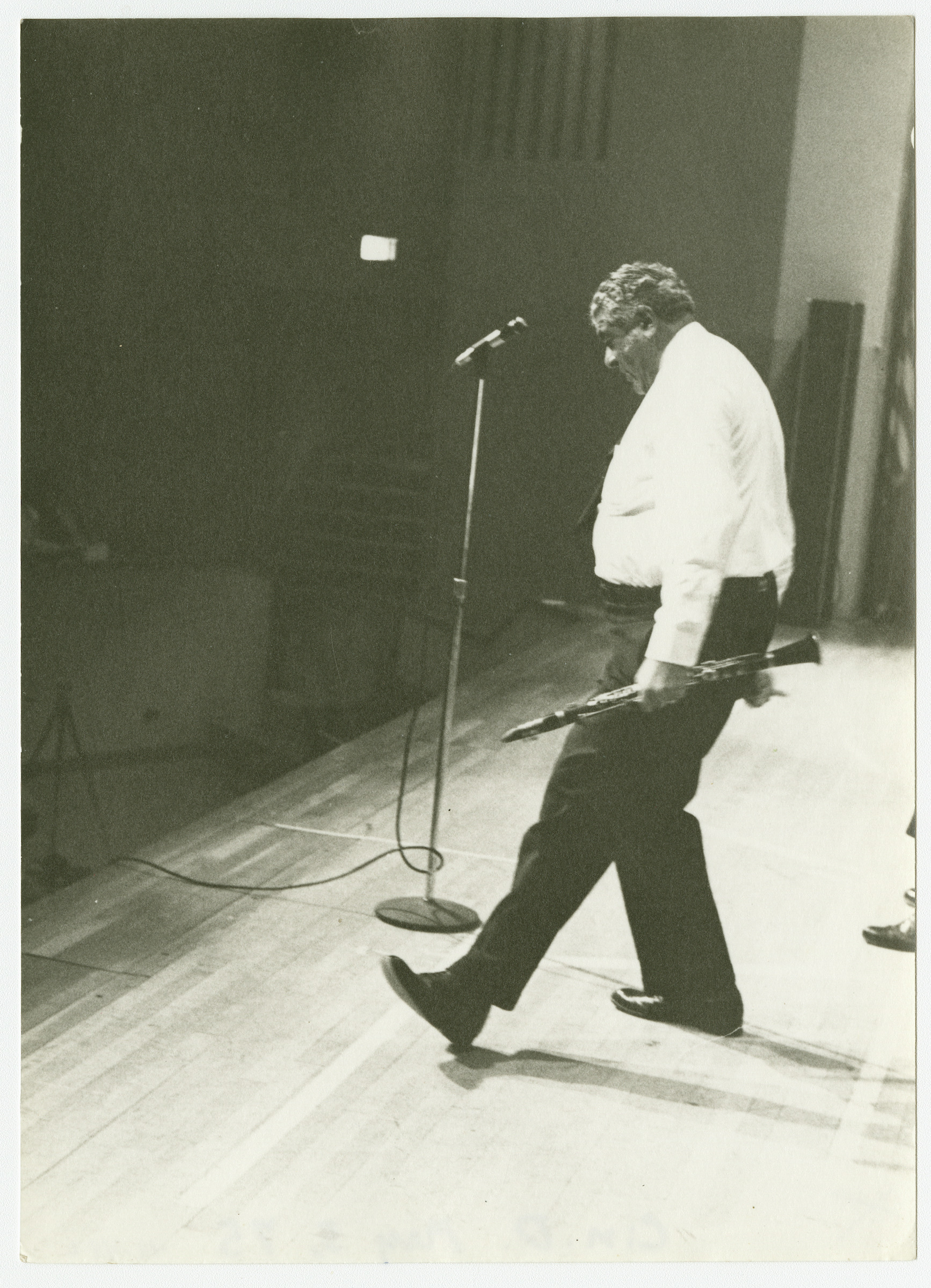
Their performances with the Preservation Hall Jazz Band were just as playful, with Willie standing for solos and giving the audience a little wiggle (after shows, he handed out pins that said “I Danced with Willie”). As author William Carter quoted him:
The music is supposed to be happy music, so you supposed to be happy givin’ it. Y’understand? That’s been my way of thinkin’. You feel happy, and you look happy, and you try to get the spirit, whatever you doin’, try to put it out there with the public … Try to get people to tap their foot. Try to shake ‘em up a bit: that’s what sells.
Willie was the oldest active jazz musician in New Orleans before his death in 1994. Percy kept playing until a few months before he died in 1995.
Reflecting on his role as a standard bearer for traditional jazz, Percy told Carter, “I’m thankful that I was one of them that kept barrelin’ and fightin’ to keep it alive in our humble way.”
The Sharif Family
In addition to Willie, Earl, and Percy, Professor Humphrey taught music to another grandson, Emery Humphrey Thompson, who was born at 4525 S. Liberty in 1927. “Big” Emery became a trumpeter, and changed his name to Umar Uthman Sharif after converting to Islam.
Sharif played in Dooky Chase and William Houston’s big bands in New Orleans. He also appeared with national stars including Louis Armstrong, Lionel Hampton, Ella Fitzgerald, and Frank Sinatra.
According to famed producer Harold Battiste, Sharif was “one of the baddest trumpet players to come out of New Orleans.” Sharif recruited Battiste to the Nation of Islam, whose philosophy of racial uplift informed Battiste’s founding of All For One Records, the pioneering Black artist-owned record label.
Later in his career, after returning to the house on this lot for most of the 1960s and early 70s, Sharif moved to New York performed in Broadway musicals and in the Lincoln Center Jazz Orchestra.
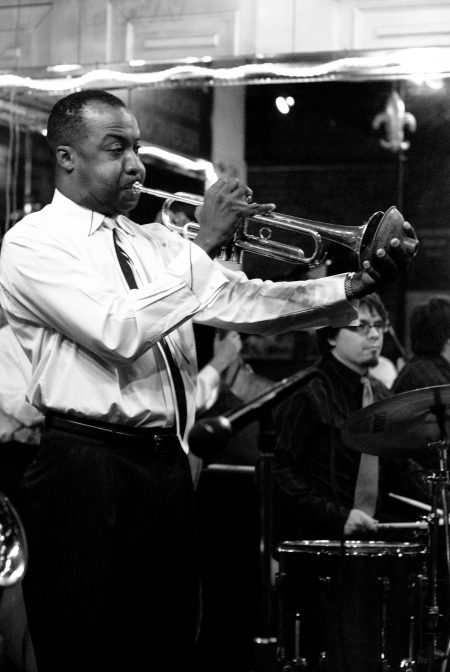
Sharif’s son, trumpeter Jamil Sharif, has been a fixture in New Orleans’ music scene for decades, and his grandson, trumpeter Jelani Akil Bauman, known as Lani B. Supreme, is a composer and touring artist.
The property remains in the Humphrey family more than 125 years after the professor made it his home base. However, the house on the lot today is new construction–not the same one that the family made into a neighborhood landmark generations ago.
Videos
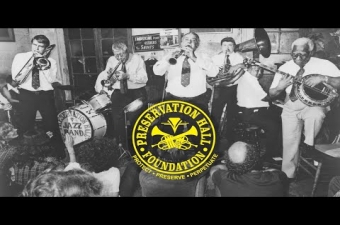
A three-minute video about Willie and Percy Humphrey by the Preservation Hall Foundation.
Video by The Preservation Hall Foundation.
A three-minute video about Willie and Percy Humphrey by the Preservation Hall Foundation.
Audio of Percy Humphrey recounting how he became leader of the Eureka Brass Band. The story involves “Sonny” Henry, a former student of James Brown Humphrey.
Posted by The Eureka Brass Band.
Audio of Percy Humphrey recounting how he became leader of the Eureka Brass Band. The story involves “Sonny” Henry, a former student of James Brown Humphrey.
Willie and Percy Humphrey perform "Just A Closer Walk With Thee" (one of our favorites) with the Preservation Hall Jazz Band in 1973.
Video posted by Konrad Klingelfuss.
Willie and Percy Humphrey perform "Just A Closer Walk With Thee" (one of our favorites) with the Preservation Hall Jazz Band in 1973.
Trumpeter Umar Sharif (born Emery Thompson), a grandson of James Brown Humphrey, performing in a sextet with Earl Turbinton on saxophone in 1987.
Video posted by Mahmoud Sharif.
Trumpeter Umar Sharif (born Emery Thompson), a grandson of James Brown Humphrey, performing in a sextet with Earl Turbinton on saxophone in 1987.
Images